
Material & manufacturing guide
Kiss Cut vs Through Cut
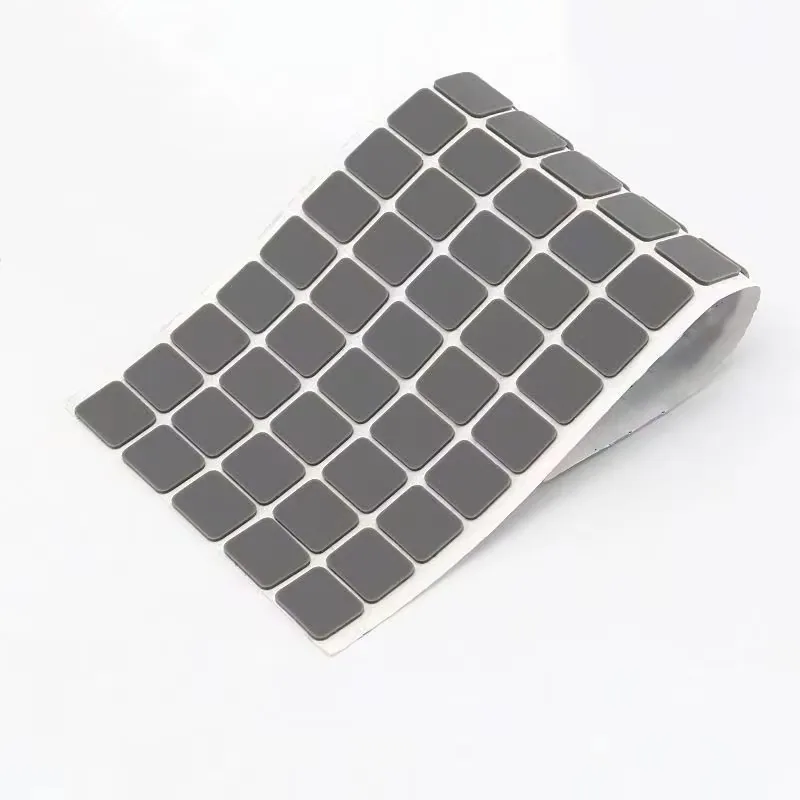
A kiss cut is designed to cut the component layer while retaining a liner; through cutting separates through the full construction. The correct choice depends on handling, dispensing, liner and adhesive requirements.
Short Answer
A kiss cut is designed to cut the component layer while retaining a liner; through cutting separates through the full construction. The correct choice depends on handling, dispensing, liner and adhesive requirements.
How to Evaluate the Choice
The best option is the one that fits the actual assembly and service conditions. For custom-cut parts, material selection and manufacturing are linked: a drawing defines the profile, while the application determines whether a material construction is appropriate.
| Selection factor | Why it matters |
|---|---|
| Application environment | Include this in the project review so the material and conversion approach can be assessed. |
| Material compatibility | Include this in the project review so the material and conversion approach can be assessed. |
| Part geometry and thickness | Include this in the project review so the material and conversion approach can be assessed. |
| Compression or mounting requirement | Include this in the project review so the material and conversion approach can be assessed. |
| Quantity and production route | Include this in the project review so the material and conversion approach can be assessed. |
Application Examples
Sealing a panel, cushioning an assembly, spacing components and mounting a protective layer all create different material requirements. State the operating environment, contact surfaces and compression or mounting needs instead of relying on a generic product label.
Common Mistakes
- Selecting by name alone instead of application conditions
- Assuming a generic thickness works for every seal
- Leaving out quantity or mounting information from the drawing
Frequently Asked Questions
What should I send for a material review?
A drawing or sketch, the intended application, dimensions, material preference if known, thickness and quantity.
Can a prototype be reviewed first?
Prototype requirements can be reviewed alongside the material and geometry.